Melly Dream: A Handwritten Font Review for Branding
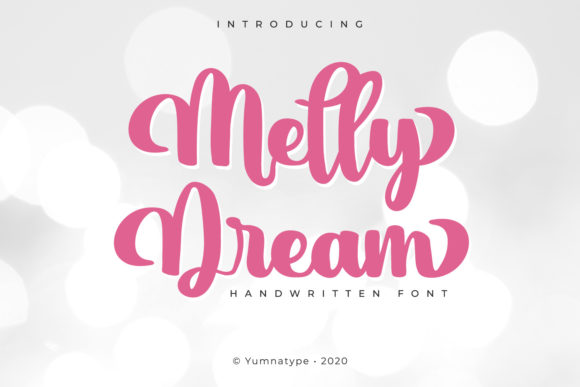
I was staring at a blank brand board for a new artisanal skincare line, feeling the familiar pressure of finding a typeface that felt both luxurious and approachable. I had tried three different Script Handwritten options that day, but they all felt either too rigid or overly decorative. Then I installed Melly Dream, and the moment I typed out the brand name on my mockup, the project clicked into place. As an experienced brand designer, I know that the right font can make or break a visual identity, and Melly Dream immediately stood out as a versatile tool for any branding, product packaging, invitation, quote, t-shirt, label, poster, or logo that you wish to develop.
Why Melly Dream Works for Boutique Logo Design
When testing Melly Dream as a primary Fonts choice for a logo concept, its natural flow became instantly apparent. Unlike many digital scripts that feel like they were traced over with a ruler, this typeface retains the organic rhythm of actual pen strokes. For the skincare project, I used it for the main logotype, and it conveyed a sense of gentle care and human touch that a standard sans serif simply couldn't achieve. The curves are soft but confident, making it an excellent choice for businesses that want to appear established yet personal.
In my experience, Melly Dream excels when used as a display font for short phrases or brand names. It creates an immediate emotional connection, which is crucial for boutique identities where storytelling is key. Whether you are designing a logo for a handmade jewelry shop or a creative studio, this Script Handwritten style adds a layer of sophistication without feeling pretentious. It handles capitalization well, allowing for elegant monograms or stacked layouts that look professional on business cards and letterheads.
Melly Dream in Product Packaging and Label Design
One of the most exciting moments in my review process was placing Melly Dream onto a physical packaging mockup. I printed a small batch of labels for a fictional lavender soap bar to see how the ink would behave on textured paper. The result was stunning; the font's legibility held up even at smaller sizes, provided the contrast was high enough. This makes Melly Dream a powerful asset for product packaging where space is limited but personality is required.
For brands focusing on wellness, food, or crafts, having a font that looks good on a jar, a bottle, or a box is essential. Melly Dream fits perfectly into this niche because it mimics the handwritten notes often found on artisanal goods. It suggests that the product inside was made with attention to detail. When paired with a clean, minimalist layout, the font becomes the hero of the design, drawing the eye directly to the product name. However, designers should be mindful of kerning when wrapping text around cylindrical containers, ensuring the flow remains smooth and doesn't become cramped.
Using Melly Dream for Invitations and Social Media Graphics
Beyond physical products, I tested Melly Dream in digital environments, specifically for wedding invitations and social media headers. The elegance of this Fonts family translates beautifully to print-on-demand invitations, giving them a bespoke, calligraphic feel without the cost of custom hand-lettering. For a client planning a garden wedding, the font brought a romantic, dreamy quality to the save-the-date cards that matched their theme perfectly.
In the realm of social media graphics, Melly Dream performs exceptionally well as an accent font for quotes and announcements. On platforms like Instagram, where visual hierarchy is critical, using this Script Handwritten style for a pull quote against a bold background image stops the scroll. It adds a human element to digital content, making brand posts feel more authentic and less corporate. Whether you are creating a flyer for a local event or a promotional graphic for a blog post, the readability of the script ensures your message is communicated clearly while maintaining aesthetic appeal.
Practical Font Pairing and Licensing for Melly Dream
No font exists in a vacuum, and to get the most out of Melly Dream, thoughtful pairing is necessary. In my branding projects, I have found that this Script Handwritten typeface pairs best with a neutral, geometric sans serif or a classic serif font. The contrast between the fluid lines of the script and the structured stability of a sans serif creates a modern typography system that is easy to read. For example, using a bold sans serif for headlines and Melly Dream for subheads or signatures creates a balanced visual hierarchy.
Before integrating Melly Dream into any commercial work, it is vital to review the included file formats and licensing terms. Ensure you have the appropriate license for your specific use case, whether it is for a single client logo, a full brand identity system, or merchandise like t-shirts and posters. Many designers overlook the importance of commercial licensing until a project scales, so always verify that your usage rights cover webfont availability, print materials, and digital assets. Additionally, check if the font includes alternate characters or ligatures, as these can add unique flair to your designs, allowing for customization that sets your brand apart from competitors using the same base typeface.
When to Avoid Melly Dream in Your Design Projects
While Melly Dream is a beautiful handwritten font suitable for many applications, it is not a one-size-fits-all solution. Due to its decorative nature, it is generally not recommended for long blocks of body text or formal corporate communications where maximum readability is paramount. If you are designing a legal document, a technical manual, or a news article, a clean sans serif or serif font will serve your audience better. Similarly, for very small print sizes, such as fine print on a receipt or tiny captions, the intricate details of the script may become difficult to decipher.
It is also important to consider the tone of your brand. If you are working with a tech startup, a financial institution, or a medical facility that requires a strictly clinical or ultra-modern aesthetic, Melly Dream might feel too soft or informal. Always test the font in context before finalizing a design. Print a sample, view it on a mobile screen, and step back to see if it aligns with the brand's core values. By understanding the strengths and limitations of Melly Dream, you can ensure it enhances your project rather than distracting from it.